Healing

Previously: Anhedonia

Now: “better” doesn’t quite cover it. I feel genuinely good, for the first time in a long while. It’s an unusual feeling.
When I started my break at the end of July, I had planned to take two months off. At the start of September I was feeling some improvements, but the thought of going back to work in October still filled me with weariness and dread, so I asked to take October off as well. My manager Keith immediately approved it. Even though this was unpaid leave, it was still time off during the busiest time of year for our business. I tried not to feel guilty about the request. I tried to persuade myself of the same thing I tell all of my colleagues when they’re sick: don’t come back until you’re well.

It worked. As October progressed, I felt things click back into place. By the time the last week of October rolled around I was looking forward to going back to work, seeing my colleagues again, and letting fly with some of the ideas that shaken loose in my head over the course of my break. When I got back to work in November, the word I used for my time off was transformative.

The big question is: to what do I attribute this turnaround? Was it the time off? The antidepressants? The therapy? All of the above? It’s hard to say because I hit myself with them all at once. I wasn’t trying to experiment with gradual improvements. I had reached a crisis point, and I needed change right away.

If I had to pick one, I’d say it was the time. Time to stop, look around, and make changes to my environment, to my habits, to myself. A bit like Quicksilver running around at hyper-speed in X-Men while everything else appears at a standstill.

https://www.youtube.com/watch?v=UT55-lSUrxk

So what did I actually do during that time?

First of all, I didn’t try to do anything. I didn’t set out with a grand plan. My initial priority was purely to rest, nothing more. But as I started following my heart, a pattern started to emerge: I was admitting to myself that I’m no longer the person I was five, ten, twenty years ago. What defined me then is not what I’m interested in now. But the mental and physical baggage was weighing me down, and not allowing me to move on. This manifested in a variety of ways:

  • I’ve had a subscription to Edge magazine since 2000, and I have a sentimental attachment to the issues from the early 2000s. I also have a physical attachment, because I never got rid of any of them. I have many boxes! I had the idea of scanning them, but I found a chap in New Zealand who has already done just that. His collection wasn’t complete, though, but I was able to fill in a lot of the missing pieces. As a result he now has a complete collection of scans, and I can get rid of a ton of paper safe in the knowledge that the magazines are digitally preserved.
  • At Worldcon 2014 in London I dropped a chunk of money on a piece of stained glass made by the late Bob Shaw. I have been collecting Bob Shaw’s books for well over twenty years now, and in a way the stained glass was the pinnacle of the collection. I have copies of almost all english-language editions of all his books, many foreign-language editions, and quite a lot of the magazine issues in which his short stories first appeared. But although I love it, the stained glass piece (titled “Twin Planets”) never sat completely right with me. I bought it at auction, and to do so I had to outbid Justin Ackroyd, the well-known fan and bookseller, who named his actual bookstore (Slow Glass Books) after Shaw’s most famous science-fictional invention. So I contacted him and offered to give him the piece. Doing this felt right: like I was returning it to the person it really belonged to in the first place.
  • I ruthlessly pared back the amount of books and junk I keep in my office while I was redecorating it, giving myself more empty space. For a while I thought that a chair would fit in the space nicely, but it was too much, so it migrated downstairs to be closer to our big bookcases.
  • I started paying much more attention to my sleep. Basically, sleep more = feel better. It’s not even funny how much sleep matters to me now.
  • I finished the work of geo-tagging and archiving our old digital photos going back to 1999. They’re now safely backed up in multiple locations.
  • I let go of the glimmer of an idea that I was going to pick up the drums again. I dropped my practice pad, stand, and collection of old drumsticks at the nearby second-hand store, and felt much better. This created space in my head for me to pick up the bass.
  • I’m not going to go climbing again any time soon, if ever. I got rid of my climbing shoes.
  • I don’t enjoy golf any more. I got rid of my old clubs.
  • I stopped regularly checking in on a couple of Slack groups that were a source of and FOMO, but were not contributing to my mental well-being.
  • Earlier in the year I got a tattoo of a magpie on my forearm. In September I was playing around with my iPhone, trying to get pictures of the birds in the back garden by setting it up in time-lapse mode, spreading out some peanuts in front of the camera, and hoping to catch them in action. At the start of October I bought a new camera, and joined a photo-a-day challenge with some friends. I ended up taking a lot of pictures of birds in our back garden and on the canals nearby. Spending so much time with them and enjoying their beauty, I found that I could no longer justify coming back home and then eating a chicken for dinner. I couldn’t do it any more. So since October I have stopped eating meat.
  • I’ve stopped drinking alcohol as well. Not that I drank much before, but age and IBS have conspired to make the next-day consequences of drinking more than a glass of wine or a single G&T actively unpleasant. And as a single glass isn’t enough to get me feeling tipsy, what’s the point in drinking alcohol at all?

But perhaps the biggest change of all is that I’ve discovered that I really don’t care much about writing code any more. What I really care about is the teamwork, interaction, communication, collaboration, consensus-seeking, and mentoring that goes on around coding activities. You know…leadership and management stuff.

This came as a shock to me. I’ve been working in software for over twenty years now, and during that time I have only ever sought work as a programmer or as a consultant. Writing code was part of my identity. Although I have led teams and managed people, I have never interviewed for a leadership or management role. People around me have often said I would do well in such roles, and as I get older and more senior it’s perhaps seen as an obvious career move.

“Management” has always scared me. Some of that is because it’s unfamiliar. I know how to code, and I (used to) know how to interview for coding jobs. Some of it is because I fear the responsibility. I burned out on teaching secondary school way back in mumblety-aught — a story for a different time — but the experience of how terrifying it is to be in charge of a group of young minds left its marks on me. Some of it is knowing how easy it is for my skills to slip out of date, especially in a field so relentlessly and ridiculously fast-moving as front-end web development. If I dedicated myself to a management position, and found that I didn’t enjoy it, or if I lost my job and had to fall back on coding again, would that even be possible?

But you know what? This is where my head is at right now. The problems I think about and want to be involved with at work are in the areas of human psychology, team dynamics, leadership and management processes. Honestly, this was probably where I’ve been heading for some time now. I just hadn’t admitted it to myself.

At the start of 2017, when Fiona was at the nadir of her illness, I was leading a team at work, but I felt like I had to conserve my emotional energy for home and the family. I took a step “back” to become an individual contributor again. (Charity Majors’ article on the Engineer/Manager Pendulum was a big influence.) This was good for me at the time because it took some pressure off, but it also left me feeling vaguely unsatisfied. There was a growing urge inside me to mingle in a different problem domain, and I didn’t acknowledge it. I had convinced myself that what I was doing was also what I wanted. When actually, I wanted something else. Hello, cognitive dissonance.

Most of my healing has therefore been shedding my old, worn-out skin, and learning to be okay with that. I’m incredibly lucky and privileged to have been able to do that without walking out on my job, or blowing up my closest relationships. Looking back, it was a pretty close thing. I find it hard to believe how much I feel like I changed in that time. I joke that I was able to compress my mid-life crisis into the space of three months. Realistically, though, the pressure had been building up for a long time. That was one of the sources of my depression. I needed to change, but I wasn’t letting myself change.

Frantically clinging to a capsized ship, I’d forgotten I could swim.
2018 Concerts

Favourites: Thumpers and The Cool Quest.

Mixed Media, Monday 31 December 2018

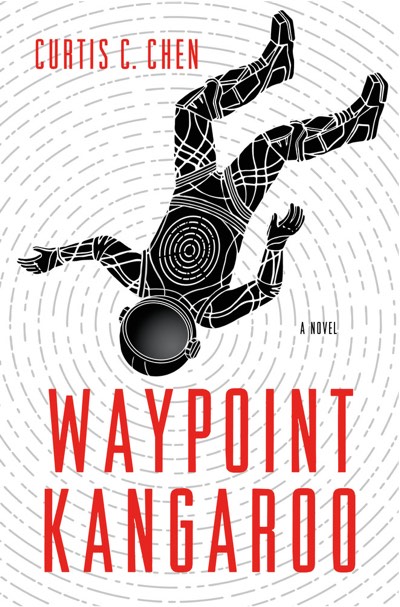
Book cover for Waypoint Kangaroo by Curtis C. Chen

Books:

  • ⭐️  Waypoint Kangaroo by Curtis C. Chen could not be any further up my alley. Kangaroo is a wise-cracking spy with a unique and completely unexplainable superpower: the ability to open a hole to a pocket universe where he can store all sorts of convenient tools and gadgets. His last mission didn’t go so well, the secret intelligence department he works for is being audited, and they want him out of the way for a while, so they send him on a vacation cruise to Mars. Of course, the cruise doesn’t go as expected, and Kangaroo gets pulled into a web of deceit, murder, and romance. It’s fabulous, and I loved every page. Even better: there’s a sequel!
  • ⭐️ Turn The Ship Around by L. David Marquet is a management book that tells how the author took the submarine he was put in command of from the bottom of its group rankings to the top, by pushing authority and decision-making power as far down the traditional pyramid hierarchy as possible. I happen to work in an industry and organization where some of the lessons in the book are the norm already, but there is still a lot to learn from here.
  • ⭐️ All Systems Red by Martha Wells — first novella in the “Murderbot Diaries” series about a security robot who has hacked its own behaviour governor so that it can spend more time watching TV shows. It’s fun, though not as comical as the premise might suggest. We have the rest of the series in ebook, and I plan to read more.
  • Domino vol 1: Killer Instinct by Gail Simone, David Baldeon et al. I like the art. The story is okay, but it jumps around a bit too much, and doesn’t land the thematic punches very cleanly.

Films:

  • Mortal Engines Meh
  • Fantastic Beasts: The Crimes of Grindelwald Meh
  • 💩 The Meg Sometimes you just find yourself in the mood for a Jason Statham film. Skip this one.
  • ⭐️ Spider-Man: Into The Spider-Verse Awesome! Want more of this.

TV:

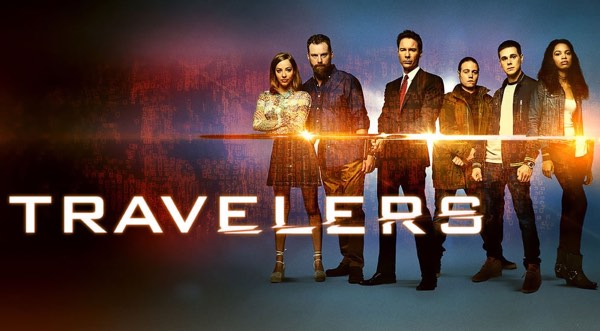
  • ⭐️ Travelers season 3: Oh wow. They actually ended it. Wrapped up. Three seasons and done, with an ending that might not be what we want, but that makes narrative and emotional sense. I’m sad that it’s over, because I love these characters and would gladly watch more of their stories. But too many shows feel like they draw out their main arc with filler episodes that don’t lead anywhere. Travelers doesn’t have room for much of that.
  • ⭐️ The Blacklist season 1: Case in point. I actually do rather like this, but it’s really obvious that it’s going to be a never-ending race to peel layers off an infinite onion. How (or if) the characters evolve will determine whether I stick with it for longer.
  • ⭐️ Colony season 2: Feels like it’s treading water at times, but by the end of the season the cast has been through a wringer. I understand that it got canceled after season 3, but I don’t know if the writers were able to wrap it up in the final episodes. Hmm.

Bell

Earlier this year, at the end of May, Fiona and I took a weekend trip to Scotland to visit the Degree Show of Duncan of Jordanstone College of Art and Design in Dundee. Fiona has her eye set on going to art school in Scotland. (Last year we had planned to visit Gray’s School of Art in Aberdeen, but Fiona was too ill to make it work – Alex and I went to Scotland alone, and did a massive road trip around the west coast instead.) My parents occasionally check out the Scottish art school degree shows, and they always come away impressed. Fiona had a different (or at least, an additional) motive for the trip: it was an opportunity for her to meet her boy C.

We flew to Edinburgh on Friday evening and stayed with Mum & Dad. On Saturday we drove to Dundee in the morning and parked near the college. I didn’t see Fiona’s first encounter with C because I was parking the car. But when I got in the building I got to meet him, and he seemed like a very pleasant young man. Fiona and he went off on their own to explore, while Mum and Dad and I took a look around ourselves.

(So how did I feel about letting Fiona off on her own with a young man three years her elder? Well, old, I suppose. On the other hand, when my parents were as old as I am now, they were watching Abi and me get married. So I guess I should consider myself fortunate the Fiona isn’t talking about eloping just yet. Hooking up is normal teenage behaviour, and I’m just glad that Fiona is actually indulging in it now, rather than still being cloaked in depression.)

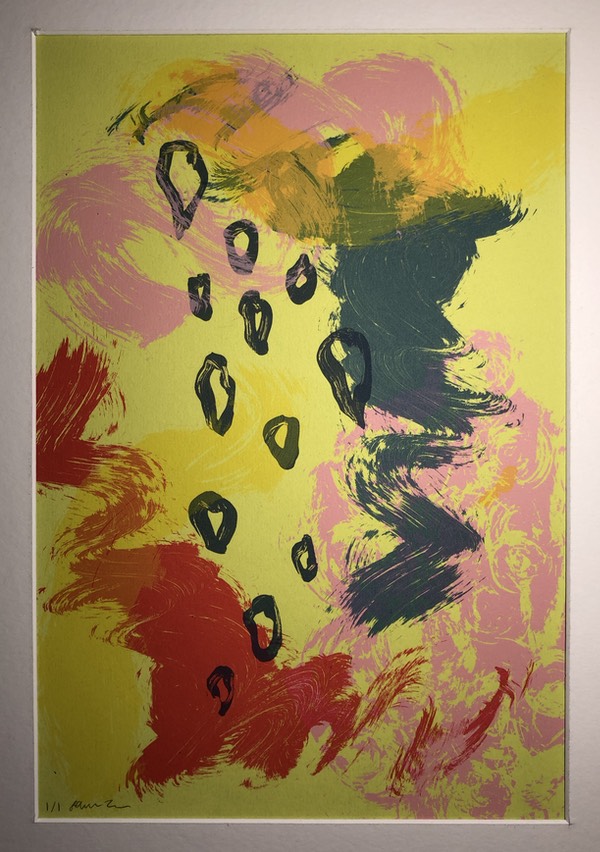
The works on the ground floor had impressed me a lot already. When we got up to the first floor of the labyrinthine college I stopped to chat with Johanna Tonner, one of the final year students, about the works she was displaying. She had framed prints for sale (I bought one for my office), but her bigger pieces were soft sculptures: torso-sized asymmetric blobs of soft foam core wrapped in colourful hand-printed fabric, mounted on a metal rod at just the right height to walk up and hug. She told me that she had made everything in the exhibit herself: not just the prints on paper and textiles, but she had ground solid metal bases for the sculptures in the college’s metalworking shop, and had made the wooden frames for her larger photos in the woodworking shop. DJCAD. She explained how the first year at DJCAD students get a solid baseline of lots of practical studio and workshop techniques before they decide where to focus their attention in later years.

Print by Johanna Tonner

I guess I just hadn’t thought very much about what “art school” was until then. Although I had been tentatively supportive of Fiona’s desire to go to art school, I had been holding back on enthusiasm and whole-hearted approval. That day changed me. The college teaches a vast range of practical skills. But the imagination, creativity, and artistic vision on display at the degree show was simply staggering. I kept looking around and being blown away by another sculpture, painting, or installation. Animation, architecture, textile and fashion design, gorgeous jewellery, comics and illustration… It just kept on coming.

It filled me with joy: this is what humans are capable of. This is what humans were meant to do. But it also made me sad: many of the amazingly talented students will not be able to make a living from their art. Why not? Why is our society set up to elevate commerce above creativity, banks over beauty? Art and expression are what make us human – not just making art, but experiencing and responding to it as well. I found it a genuinely emotional watershed.

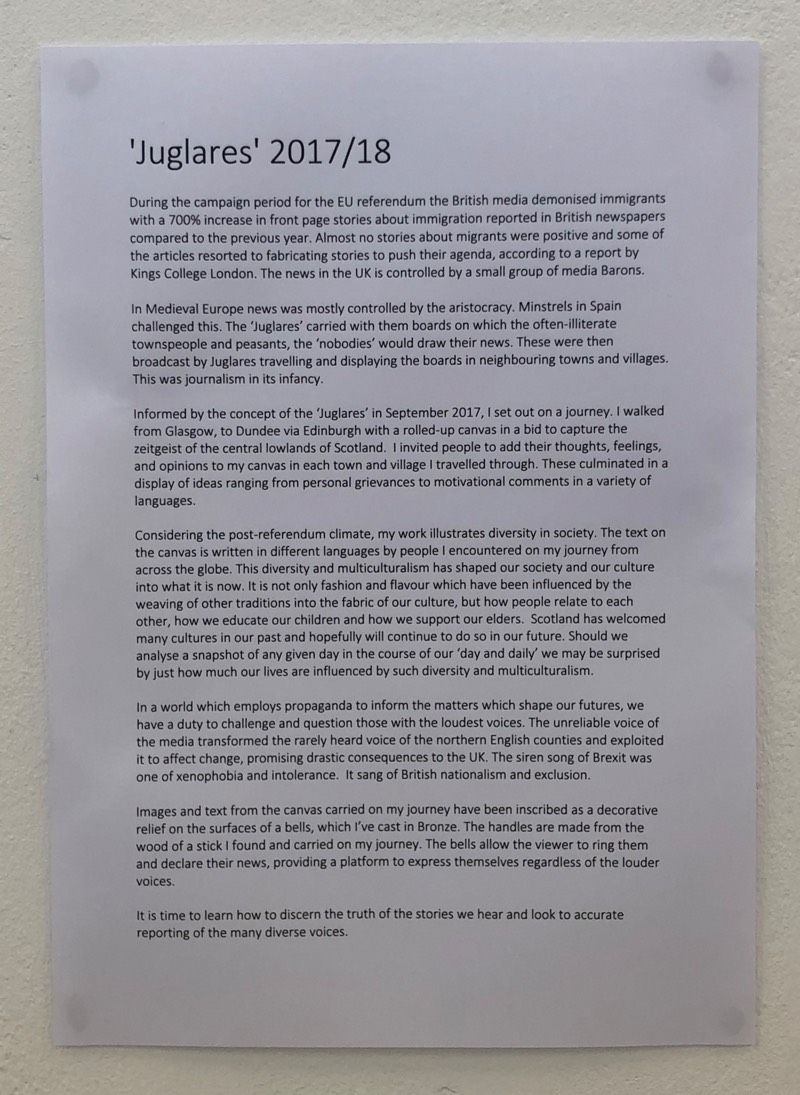
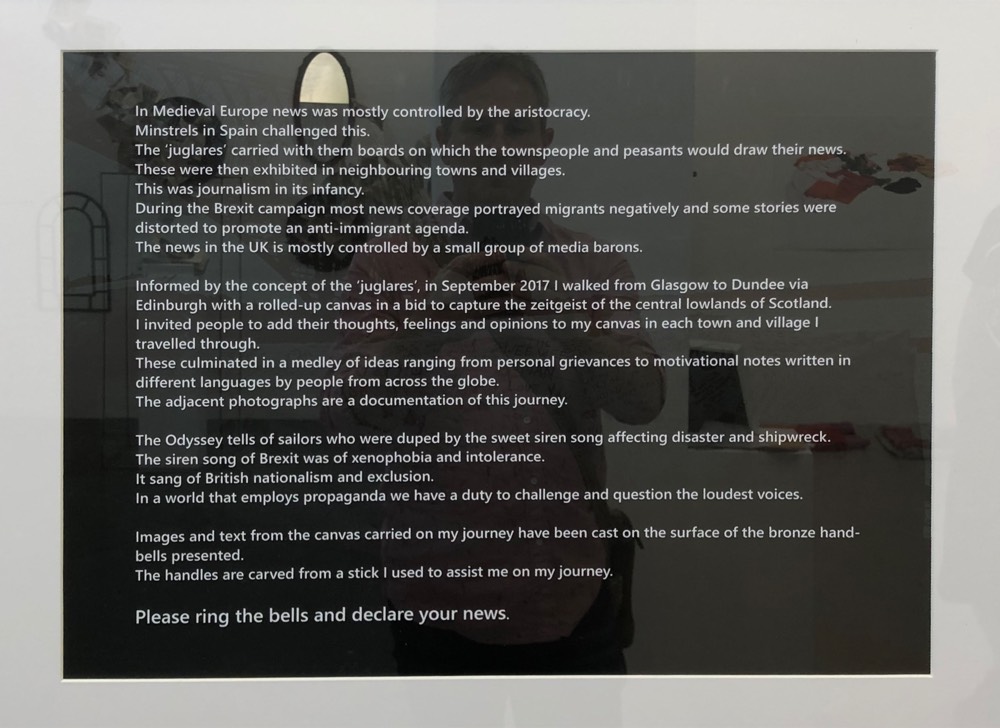
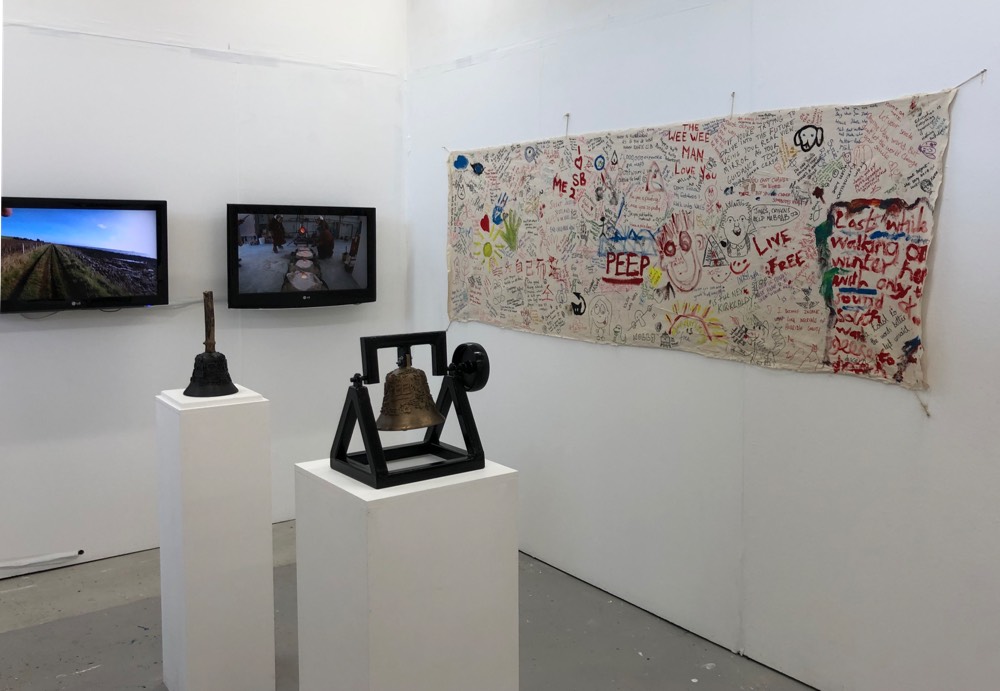
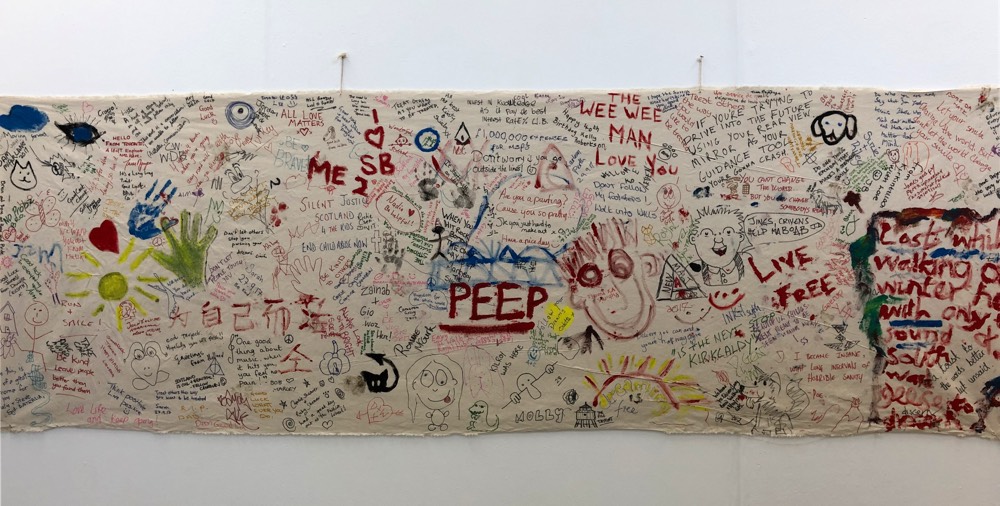
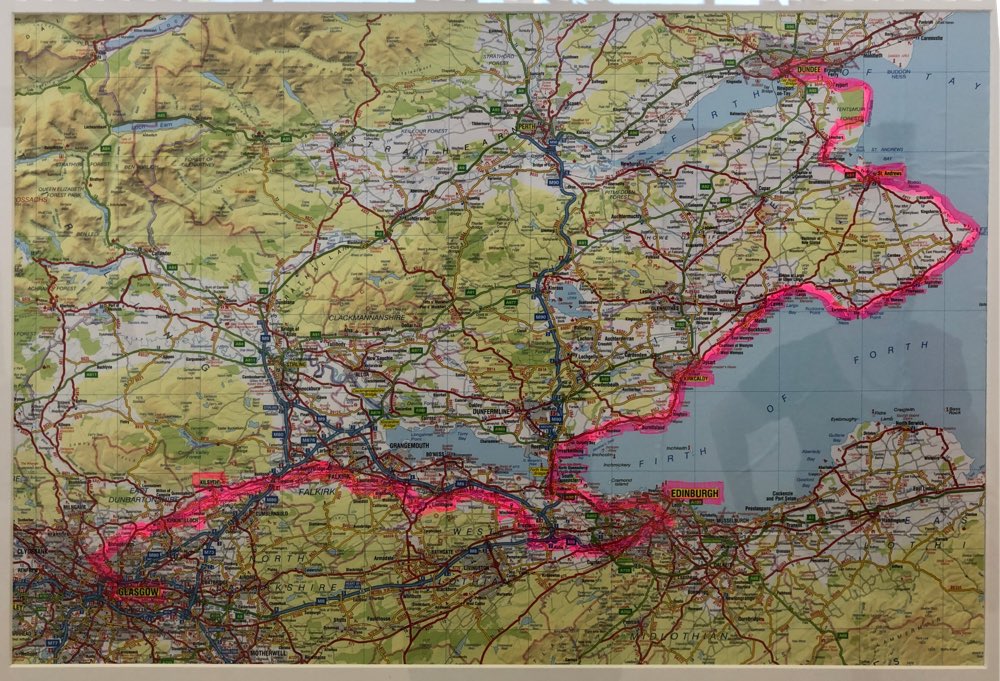
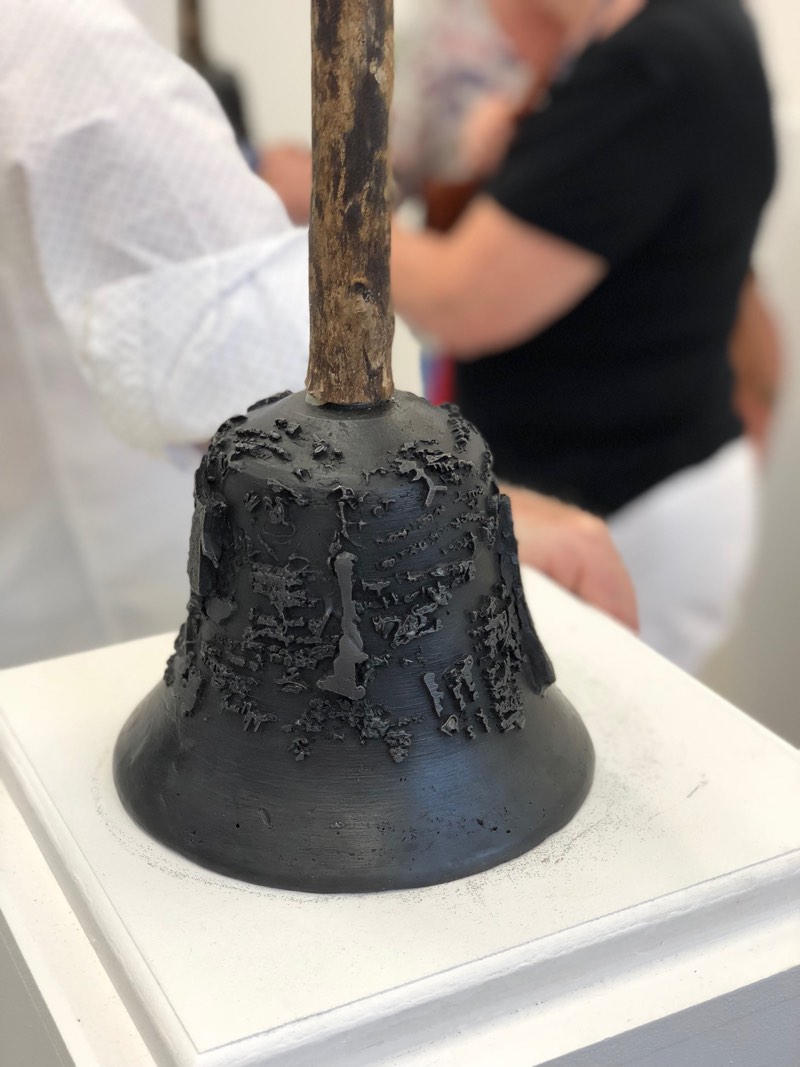
By the time I met up with Mum and Dad again, they had become enchanted by a project on one of the upper floors: Juglares by James Fallan. For his exhibition project he had undertaken a walk from Glasgow to Dundee via Edinburgh, stopping along the way to talk to people and collect their thoughts and expressions on a large canvas he carried with him. After the journey, he turned took parts of the canvas and turned the words and pictures into a 3-D surface that he used as the surface texture for bells cast from bronze, with handles made from sections of the walking stick he used along the way. As part of the exhibit he had a couple of screens showing video of him along the way, and of him making the bells. The bells themselves are gorgeous, and the project captured my imagination just as it had caught Mum and Dad’s.

Juglares by James Fallan – statement
Juglares by James Fallan – exhibit
Juglares by James Fallan – canvas
Juglares by James Fallan – map
Juglares by James Fallan – bell

Mum and Dad were seriously considering buying one of the bells. It was just coming up to lunchtime, though, so I suggested that we go visit the college café and have sometime to eat and drink before making a decision. While we were getting our food, I sneakily texted Abi and asked her if it would be okay for me to buy the bell for Mum and Dad as a wedding anniversary gift — their 50th anniversary was coming up the following month. Abi agreed, and I broke the news to them that this was going to be their present. They were slightly taken aback (it wasn’t cheap), but very happy.

So after lunch we went back upstairs and waited for James to return from his lunch as well. He was delighted to hear that we’d be buying one of his pieces. In fact, it was his very first sale. And not only that, but this happened to be the day when he has his parents and grandparents over to see his work. They showed up just as we were making the purchase and figuring out how best to send him the money, because I didn’t have enough cash on me. We stood around and chatted with them, and they were proud and delighted to see his work, and to be around when he made his first sale, especially knowing that it was going to be for a memorable gift. Similarly, this added to the story for us, knowing that we had managed to time our presence and the purchase just so perfectly. It was a great moment. It made me happy to buy Mum and Dad such a nice gift, and it made me happy to be supporting the work of a talented young artist.

(Fiona had a lovely day with C. We all met up again in mid-afternoon, but Fiona and C weren’t done having out yet. I drove back to Murthly with Mum and Dad, and Fiona and C stayed on in Dundee for a while and went to the cinema. I drove back to Dundee late in the evening to do the dad taxi run.)

Mixed media, Sunday 25 November 2018

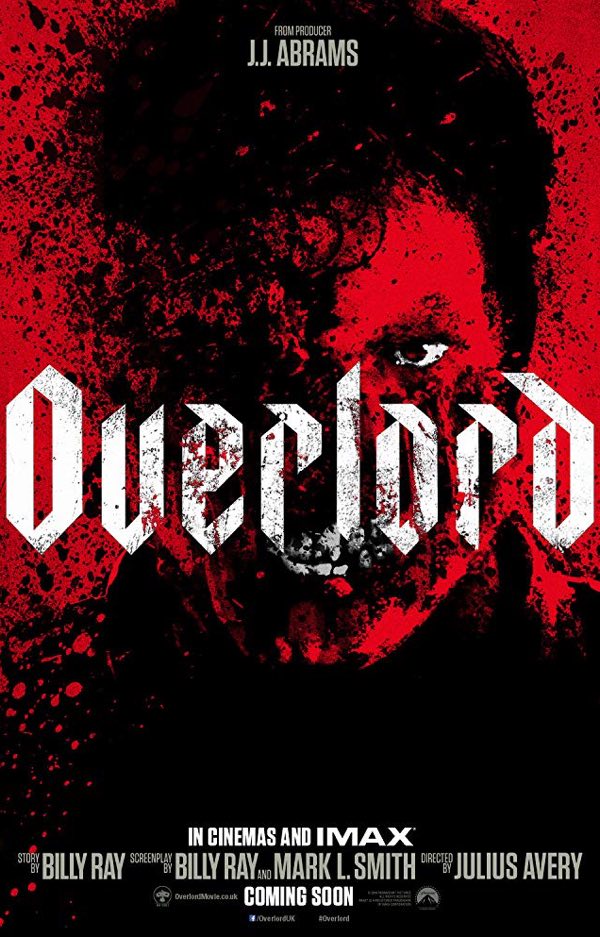
Overlord movie poster

Films:

  • ⭐️ Overlord Alex took me to see this in the 4DX screen of Pathé de Munt. The ads I’ve seen for 4DX make it look a bit gimmicky, and as we entered the cinema I thought the seats would look more at home in a roller coaster. They felt more like firm roller coaster seats. They’re not plush. But the experience they added to the film was undeniable. Overlord’s opening scenes are big and noisy, with soldiers being thrown around inside a plane getting shot down over France in the hours leading up to the D-Day invasion. The 4DX chairs shake you about quite frantically, you get hit in the face by blasts from the wind machine, and occasional sprays of water mist. It’s intense. For a film like this, whose horror/action beats come at you like the slow build ups and exhilarating releases of a rollercoaster, it worked exceptionally well. The film itself is solid, too. It takes the the “nazis + zombies” premise and runs with it, but not into over-the-top ridiculousness. Alex and I both loved it.
  • Cleaner (2007) Not bad, just forgettable.
  • 🤔 The Negotiator (a.k.a. Beirut) In the middle of the Lebanese civil war, the CIA drags former diplomat Mason Skiles (Jon Hamm) back to Beirut to help them negotiate the release of an old friend. Or is that really what they want to happen? This is a cleverly plotted espionage/diplomacy thriller, but the use of Lebanon as scenery felt somewhat exploitative.
  • Ocean’s 8 Not bad, just forgettable.
  • ⭐️ Los Cronocrimenes (Timecrimes) Simple but effective time travel thriller about an ordinary middle-aged man who stumbles into an extraordinary situation, and then makes some really questionable choices. There’s no clever twist to time travel here — it’s just very effectively executed.
  • ⭐️ Scenes from a Dry City Short and powerful documentary about drought conditions in Cape Town.
  • ⭐️ Soyalism Pulls together many strands about how vertical integration of agribusiness is affecting the planet and our food supply. Thought-provoking, not preachy.

TV:

  • ⭐️ Secret City Excellent Australian political/journalistic/espionage mystery with Anna Torv in the lead as political investigative reporter Harriet Dunkley. If you like the Worricker series (Page 8 et al.) and London Spy, you’ll love this. Lots of twists and turns. Lots of political manoeuvring and backstabbing. Lots of reporters doggedly chasing down leads, cultivating sources, and willing do do anything to expose corruption with their story.
  • ⭐️ Maniac Quirky retro-futuristic drama with Emma Stone and Jonah Hill signing up for a drug trial run by an unscrupulous corporation and some very strange scientists. I’m still not sure what kind of story it was trying to tell (other than illuminating the human condition), but if you’re willing to just enjoy it for the mind-bending ride, full of offbeat performances and bizarre visual gags, it’s quite fun. Makes me want to go and check out Cary Joji Fukunaga’s other stuff (specifically True Detective).

Music:

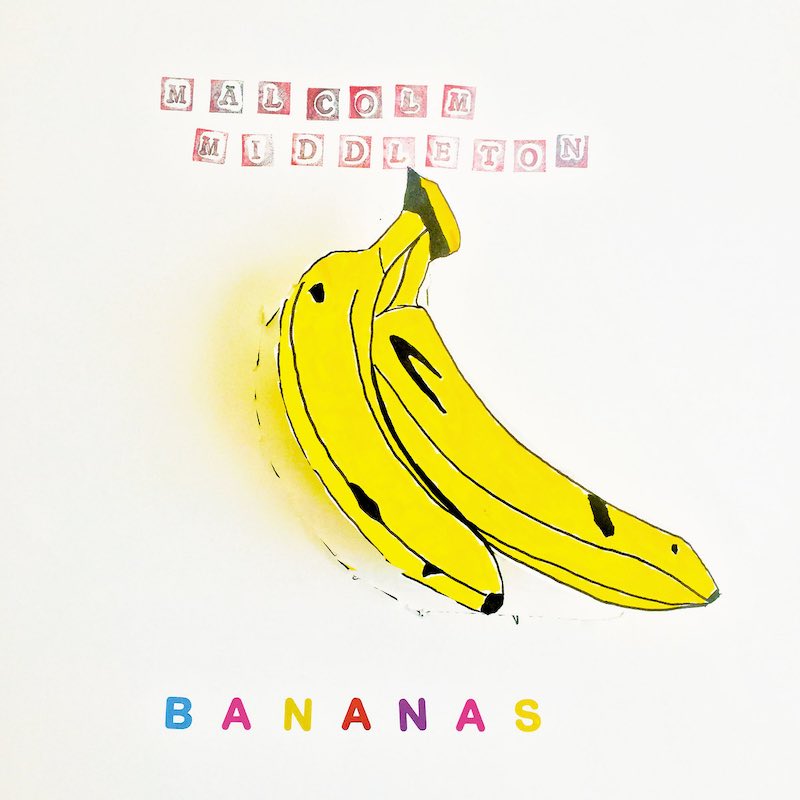
Malcolm Middleton has a new album out: Bananas. It’s good.